Removals access tips for narrow stairs in Clapham flats
If you live in a Clapham flat with a tight stairwell, you already know the problem: one awkward turn, one low ceiling, one oversized sofa, and suddenly moving day feels much bigger than it looked on paper. The good news is that Removals access tips for narrow stairs in Clapham flats are not just about muscle. They are about planning, measuring, protecting the property, and understanding how movers work around tight London access. Done properly, a difficult staircase becomes a manageable job rather than a last-minute scramble.
In this guide, you will find practical access advice for narrow staircases, common mistakes to avoid, and the steps that make flat moves run more smoothly. We will also cover when a man with van service is enough, when a bigger team makes sense, and how to think about safety, insurance, and building rules without turning the whole thing into a headache. Let's face it, nobody wants to carry a wardrobe halfway up the stairs only to realise it was never going to make the turn.
Table of Contents
- Why narrow-stair access matters in Clapham flats
- How a narrow-stair removals plan works
- Key benefits and practical advantages
- Who this is for and when it makes sense
- Step-by-step guidance
- Expert tips for better results
- Common mistakes to avoid
- Tools, resources and recommendations
- Law, compliance, standards and best practice
- Options, methods and comparison
- Case study or real-world example
- Practical checklist
- Conclusion
- Frequently asked questions
Why Removals access tips for narrow stairs in Clapham flats Matters
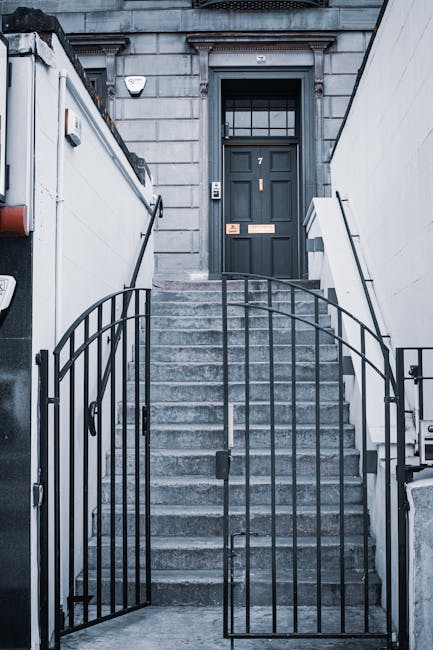
Clapham has a mix of period conversions, mansion flats, maisonettes, and compact upper-floor homes. Many of them look straightforward from the street, then you get inside and the stairs tell a different story. Tight bends, banisters, narrow landings, and small front doors can all slow a move down. In some buildings, even the hallway feels like it was designed for one person carrying one bag, not a two-person team moving a chest of drawers.
That matters for three simple reasons. First, access problems can damage furniture, walls, paintwork, and banisters. Second, they can increase labour time, which often affects the cost and timing of the move. Third, poor planning creates stress on moving day, and stress is exactly what you do not need when you are juggling keys, parking, and the neighbour who says "just be careful with the stairs" while standing in the way.
There is also a local reality here. Clapham streets can be busy, parking can be tight, and flats often sit above shops or in shared buildings where timing and coordination matter. A good access plan reduces surprises before the van even pulls up. That is why the best moves usually start with a proper look at the stair route, not the loading bay.
Expert summary: Narrow-stair moves are rarely about brute force. They are about measurement, sequencing, protection, and choosing the right lift-and-carry method before anyone picks up a box.
How Removals access tips for narrow stairs in Clapham flats Works
A successful flat move with narrow stairs usually follows a simple logic: assess, prepare, protect, move, and check. It sounds obvious, but a lot of trouble happens when one of those steps is rushed. The goal is to make the route as predictable as possible before the heavy items leave the room.
Here is what that means in practice. A removals team or careful homeowner will normally look at the stair width, turning points, head height, landing space, door swings, and the route from each room to the exit. That assessment helps decide whether furniture can be carried intact, needs partial dismantling, or should be moved using an alternative route. Sometimes the answer is straightforward. Sometimes, to be fair, the sofa was never going to make that final bend without a little persuasion and a lot of caution.
Access planning also includes the outside approach. Where will the van stop? Is there enough space for safe loading? Can the team carry items without blocking the pavement or climbing over parked cars? In Clapham, that outside logistics piece matters almost as much as the staircase itself.
For larger or more complex moves, it can help to coordinate the access plan with services such as home moves or packing and unpacking services, especially if you want the whole process handled in a tidy sequence rather than in a series of panicked trips up and down the stairs.
One small but important point: measurements only help if they are taken properly. Measure the narrowest part of the stairwell, not the widest. Measure the furniture at its bulkiest point, not the neat part in the middle. That little detail saves a lot of groans later.
Key Benefits and Practical Advantages
Good access planning does more than make moving day feel calmer. It has real practical advantages that show up in time, safety, and property protection.
- Fewer delays: when movers know which pieces need dismantling or a different carry method, the job flows better.
- Less damage risk: narrow stairwells are where scuffs, knocks, and chipped paint often happen.
- More accurate quoting: if access is clearly understood in advance, estimates are usually more realistic.
- Better protection for bulky items: wardrobes, sofas, mattresses, mirrors, and appliances all behave differently on stairs.
- Less physical strain: the right technique reduces the chance of injury or awkward lifts.
- Smoother coordination with neighbours and building rules: especially useful in shared Clapham blocks where timing matters.
There is also a quieter benefit that people do not always mention: confidence. Once the route is mapped, the move stops feeling like guesswork. You can focus on the practical bits instead of standing at the bottom of the stairs wondering whether the bookcase should have stayed in the flat forever.
If the move includes heavy appliances, it may be sensible to look at specialised help such as fridge and appliance removal or mattress and sofa disposal for items that are not worth forcing through a tight route.
Who This Is For and When It Makes Sense
This advice is for anyone moving out of, into, or within a Clapham flat where the staircase is too narrow for an easy carry. That includes tenants, homeowners, landlords preparing between lets, and people helping family members move. It also matters if you are only moving a few large items, because the same access issues still apply.
You will benefit most from this approach if:
- your flat is on an upper floor with a compact staircase
- you have a period conversion with tight corners
- the staircase has a sharp turn or small landing
- you are moving bulky furniture or appliances
- parking outside is limited, so the move needs to be efficient
- you want to avoid wall scuffs, broken items, or unnecessary labour time
It is also worth paying attention if you are moving from a flat above a commercial property, above a restaurant, or through a shared entrance used by several households. In those buildings, access can be less forgiving than you think. One person holding the door open at the wrong moment can change the whole rhythm of the move. Not ideal.
For smaller moves, a simple man and van arrangement may be enough. For fuller house contents, a more structured team from house removalists may be the better fit. The right choice depends on the stair access, the volume, and how much dismantling is involved.
Step-by-Step Guidance
If you want the move to go smoothly, treat the staircase like a route that needs planning, not just a corridor you hope for the best with. Here is a practical step-by-step approach.
- Measure the narrow points first. Check stair width, landings, head clearance, and door openings. Measure bulky furniture at its widest point, including handles, legs, or fixed fittings.
- Map the full route. Walk from each room to the exit and note where turns are tight, where ceilings dip, and where doorframes might catch.
- Decide what should be dismantled. Beds, table legs, shelving, and modular sofas often move far better when partially taken apart.
- Clear the path. Remove rugs, shoes, bins, loose ornaments, and anything else that can trip someone up or snag a carry.
- Protect walls and bannisters. Use blankets, corner protection, or temporary covering where needed. A narrow stairwell gives you very little margin for error.
- Plan the loading order. Put the awkward items first or last depending on the team's method. The wrong sequence wastes time and energy.
- Set the van position early. A good loading spot can save a surprising amount of walking, especially on a busy Clapham street.
- Keep communication simple. One person should guide the carry through tight spots. Too many voices in a stairwell just creates noise. And a surprising amount of elbow drama.
- Check each item after the move. Look for scuffs, loose fittings, or damaged parts before the team leaves.
A useful rule of thumb: if you are unsure whether something will fit, treat that uncertainty as a warning, not a challenge. The staircase is not interested in optimism. It will do what it does.
Expert Tips for Better Results
Over time, certain habits make narrow-stair moves much easier. These are the practical tips that tend to save the most hassle.
Use the right carry angle. Sometimes an item fits only when it is tilted, stood on end, or rotated around a landing. This is normal in removals work, but it should always be done carefully and with enough hands.
Take the bannister into account. A staircase may technically be wide enough, but the bannister can steal the extra centimetres you thought you had. It happens all the time.
Prioritise soft protection before hard lifting. Blankets, straps, and floor coverings are not decoration. They reduce friction, prevent scratches, and make awkward items easier to control.
Do not overfill boxes. Heavy small boxes are harder to carry on stairs than medium-weight ones. A box that looks manageable on the floor can feel very different halfway up the second flight.
Break the move into stages. Bring out smaller items first to clear movement space. Then shift to the large pieces. This stops the stairs from becoming cluttered and reduces the risk of someone losing footing.
Ask about access before the quote is final. If a removals provider has not asked whether the stairs are narrow, steep, or awkward, that is a sign to be extra clear yourself. Good providers want those details early.
Keep a calm pace. It sounds simple, but rushed stair carries cause most problems. A smooth move is usually a slightly slower move. Not slow in a bad way. Just controlled.
If you are comparing service options, also think about related needs such as removal truck hire or moving truck support if the move involves more than a basic flat carry.
Common Mistakes to Avoid
Most access problems are preventable. They tend to come from assumptions rather than disasters.
- Guessing instead of measuring: "It should fit" is not the same as "it does fit."
- Leaving dismantling too late: trying to take apart furniture on a cramped landing is miserable.
- Ignoring outside access: a perfect stair plan means very little if the van cannot stop nearby.
- Forgetting the awkward second turn: many items fit the first section, then fail at the corner.
- Not protecting the property: one careless scrape on a painted wall can be harder to sort out than the move itself.
- Overestimating what can be carried by one person: narrow stairs need control, not heroics.
- Underestimating time: access issues can add minutes that quickly become an hour.
Another quiet mistake is treating disposal and moving as the same thing. If you already know that a broken wardrobe, old mattress, or outdated fridge is not worth moving, arrange separate removal or disposal rather than trying to force it into the stairwell. That often saves time, energy, and a bit of regret.
Tools, Resources and Recommendations
You do not need a van full of specialist kit for every flat move, but a few practical tools can make a big difference on narrow stairs.
- Measuring tape: for stair width, doorways, furniture, and landings.
- Furniture blankets and covers: to protect walls, corners, and the item itself.
- Straps or lifting aids: useful for controlling bulk and improving balance.
- Protective gloves: to improve grip and reduce knocks on sharp edges.
- Tape and labels: to keep dismantled parts together and mark which room each box belongs to.
- Floor protection: especially useful in communal hallways or older properties.
It also helps to use services that match the type of move. For example, if the move includes business equipment or a home office, commercial moves or office relocation services may be more relevant than a simple one-off carry. And if you are only moving a few pieces, furniture pick up can be a neat option for bulky items that need careful handling.
For general reassurance about who is handling the job, it is worth reading up on a provider's insurance and safety approach and, if you are comparing multiple choices, checking their pricing and quotes information so you understand what is included.
Law, Compliance, Standards and Best Practice
With flat moves, compliance is usually less about formal paperwork and more about sensible, responsible practice. In the UK, movers and customers both benefit from following safe manual handling habits, protecting communal areas, and making sure access does not block exits or create hazards for neighbours.
Where buildings are shared, it is good practice to respect house rules, lift usage policies if there is a lift involved, and any move-in or move-out times set by the landlord, managing agent, or freeholder. Some buildings are stricter than others, especially in converted properties around Clapham where residents live close together and nobody wants a corridor full of boxes at 7am.
For businesses and professional movers, care around health and safety procedures matters as well. A sensible removals provider should have a clear approach to safe lifting, route checking, and property protection. If you want to understand how a company thinks about this, pages such as health and safety policy and complaints procedure can be a useful sign of how they operate day to day.
There is also a broader best-practice point: do not create avoidable risks by forcing overlarge items through a route that clearly will not suit them. That is not just inefficient. It is where damage and injury tend to happen. A good mover knows when to stop, reassess, and choose a better method.
Options, Methods, or Comparison Table
Not every narrow-stair move in Clapham needs the same approach. The best choice depends on how much you are moving, how tight the access is, and how much dismantling is realistic.
| Method | Best for | Pros | Limitations |
|---|---|---|---|
| DIY move with helpers | Very small moves, a few boxes, light furniture | Low upfront cost, flexible timing | Higher risk of damage or injury, harder on narrow stairs |
| Man and van | Single-room moves, mixed items, moderate access challenges | Good balance of cost and support, quicker than DIY | May still need prep work and item dismantling |
| Full removals team | Multi-room flats, heavy furniture, complex stair access | More control, better handling, more efficient sequencing | Usually higher cost than smaller services |
| Specialist disposal/pick-up | Unwanted bulky items that should not be moved | Clears space before moving day, avoids forcing unsuitable items upstairs or downstairs | Not a complete moving solution on its own |
In many Clapham flats, a hybrid approach works best. For example, you might use a removals team for the main furniture, then arrange a separate collection for an old mattress or appliance that simply is not worth wrestling through the stairwell. Practical beats stubborn, every time.
Case Study or Real-World Example
Picture a top-floor Clapham flat in a converted terrace. The staircase is steep, the landing is tight, and the main bedroom wardrobe is just a little too tall to be carried upright. The move looks simple from the street. Inside, not so much.
The solution starts before moving day. The wardrobe doors come off, the shelves are emptied, and the base is measured against the narrowest landing turn. The team then protects the wall corners, clears the hallway, and stages the item near the stairs before attempting the carry. Instead of trying to force it in one go, they rotate the wardrobe carefully at the landing and move one controlled step at a time.
The difference is noticeable. There is less scraping, less calling back and forth, and less strain. The move still needs care, obviously, but it feels organised rather than chaotic. That is usually how the best narrow-stair moves go: not magic, just preparation. And perhaps a bit of patience, which is a rarer moving-day tool than people admit.
In real life, the same logic applies whether you are moving a wardrobe, a sofa, or a stack of boxes from a first-floor flat above a busy street. Measure early, strip back what you can, protect the route, and move in stages.
Practical Checklist
Use this checklist before moving day. It is simple, but it catches most of the issues that create stress later.
- Measure stair width, landings, and doorways
- Measure large furniture at its widest point
- Identify any tight turns or low ceilings
- Check whether items need dismantling
- Clear hallways, landings, and entrance paths
- Protect walls, bannisters, and floors
- Confirm van parking and loading access
- Label boxes and loose fittings clearly
- Decide what will be moved, stored, or disposed of
- Keep keys, building instructions, and contact numbers ready
- Review insurance and safety details if using a provider
- Leave extra time for awkward items and shared entrances
If you tick off those basics, you are already ahead of a lot of moves. Truth be told, that is where the stress reduction comes from, not from hoping the staircase feels generous on the day.
Conclusion
Narrow stairs do not have to make a Clapham flat move miserable. With the right access planning, a realistic look at what will fit, and a few sensible protection measures, the whole process becomes much more manageable. The key is to treat the staircase as part of the move, not a detail to figure out later.
Whether you are moving out of a compact conversion, carrying furniture into a second-floor flat, or simply trying to avoid a scuffed wall and a bruised back, the same principle holds true: measure properly, prepare early, and choose the right help for the job. That is the difference between a frantic day and one that feels under control.
If you are ready to move forward, compare your options, check the access carefully, and plan the route before a single box reaches the stairs. A little care now saves a lot of hassle later, and sometimes that is the whole game.
Get a free quote today and see how much you can save.
Frequently Asked Questions
How do I know if my Clapham flat stairs are too narrow for furniture?
Measure the narrowest part of the stairwell, the landings, and the furniture at its widest point. If there is a tight turn, low ceiling, or bannister in the way, assume extra care will be needed. When in doubt, treat the route as borderline until measured properly.
Should I dismantle furniture before moving it down narrow stairs?
Usually, yes if the item is bulky or awkward. Beds, tables, shelving, and some wardrobes are far easier to move once partially dismantled. It often saves time and reduces the chance of damage. A quick strip-down can make a huge difference.
What items are most likely to cause access problems?
Sofas, wardrobes, mattresses, fridges, tall bookcases, and large mirrors are the usual troublemakers. They are awkward because they catch on corners, doorframes, or bannisters. Heavy boxes can be a problem too if they are packed too full.
Can a man and van service handle narrow stairs?
Yes, often it can, provided the volume is manageable and the items are suitable for manual carrying. For larger or more complicated moves, a fuller removals team may be better. The right choice depends on access, load size, and how much dismantling is needed.
How much notice should I give before a move with difficult stair access?
As much as you can. Even a short conversation about measurements and access details can prevent problems later. If the building has move-in rules or parking limits, it is better to sort those early rather than on moving day.
What should I protect first in a narrow stairwell?
Walls, bannisters, door edges, and floor corners are the main areas to protect. Those are the places most likely to get marked during a carry. A little covering goes a long way, especially in older Clapham conversions where paintwork can be delicate.
Is it worth paying for packing help if the stairs are narrow?
Often yes, because good packing makes lifting easier and reduces breakage. Smaller, well-balanced boxes are simpler to carry through tight spaces. If you have delicate items or a lot of rooms to clear, packing support can be very worthwhile.
What if my sofa or wardrobe will not fit around the landing?
Do not force it. Stop, reassess, and look at alternatives such as removing legs, taking off doors, or changing the angle of the carry. In some cases, the item may need to be moved in a different way or replaced rather than damaged on the stairs.
Do narrow stairs increase the cost of a move?
They can, because difficult access may increase the time and labour involved. Every move is different, so the best approach is to describe the stair access clearly when asking for pricing. That helps keep quotes realistic.
Are there any safety rules I should think about in shared flats?
Yes. Keep walkways clear, avoid blocking exits, and follow any building rules on move times or communal areas. Safe lifting and sensible route planning matter too. In shared buildings, a careful move is just respectful, really.
What is the biggest mistake people make with narrow-stair moves?
Assuming that because something looks manageable, it will fit without issue. That one assumption causes a lot of scrapes, delays, and awkward conversations. Measure first. Always measure first.
Can old furniture be removed instead of moved through the stairs?
Yes, and sometimes that is the smartest option. If an item is damaged, outdated, or not worth carrying through a difficult route, disposal or collection can save time and reduce risk. It is a practical call, not a defeat.