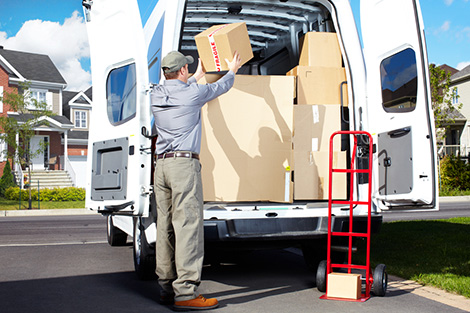
Moving from Clapham Old Town removals planning tips
Moving house is never just "moving house", is it? If you are moving from Clapham Old Town, there is the flat-pack furniture to break down, the parking to think about, the awkward sofa that somehow got bigger overnight, and the quiet stress of trying to keep normal life ticking over. This guide on Moving from Clapham Old Town removals planning tips is here to make the process feel calmer, more structured, and a lot less last-minute.
Clapham Old Town has its own rhythm: busy streets, tight access in places, a mix of period homes and modern flats, and the usual London challenge of making everything work around real life. The good news? A well-planned move can save you time, reduce damage, and stop moving day from becoming one long chain of delays. Below you will find practical steps, local-minded advice, and a few no-nonsense tips that actually help.
Table of Contents
- Why planning matters in Clapham Old Town
- How the moving process works
- Key benefits of a proper plan
- Who this is for
- Step-by-step moving guidance
- Expert tips for a smoother move
- Common mistakes to avoid
- Tools, resources and recommendations
- Law, compliance and best practice
- Options and comparison table
- Real-world example
- Practical checklist
- Conclusion
- Frequently asked questions
Why Moving from Clapham Old Town removals planning tips Matters
In a neighbourhood like Clapham Old Town, planning is not a luxury. It is the difference between a move that feels controlled and one that feels like a series of minor emergencies. Streets can be narrow, parking can be a headache, and access can change depending on whether you are on the ground floor, top floor, or one of those staircases that makes you question your life choices.
Good removals planning matters because it helps you anticipate the things people often leave too late: where the van can stop, how long loading will take, whether you need packing help, and what to do with items you no longer want. If you sort those details early, moving day tends to feel more like a sequence of tasks and less like a scramble.
There is also the stress factor. Let's face it, even a simple move can pull your attention in ten directions. A proper plan gives you back a bit of control. That matters whether you are moving from a small flat near the Common, a family home, or a rented property where the handover time is fixed and immovable.
Practical takeaway: the more detailed your removals plan is before moving day, the fewer decisions you have to make when you are tired, busy, and surrounded by boxes.
How Moving from Clapham Old Town removals planning tips Works
The moving process is really a chain of small decisions. First you decide what is coming with you. Then you decide how it will be packed, who will move it, and what vehicle or team is needed. After that, the logistics come into focus: timing, access, parking, loading order, and the final handover at the new place.
For most people, the easiest approach is to work backwards from moving day. Start with the date, then build a timeline around it. If you leave everything to the last week, you will probably end up boxing books at midnight and wrapping plates in tea towels. Been there, seen that, no thanks.
In practical terms, a solid move usually has five layers:
- Decluttering so you only move what is worth taking.
- Packing in a way that protects fragile items and keeps rooms organised.
- Transport planning so the right van or truck is booked for the job.
- Access planning for stairs, permits, parking, and loading space.
- Day-of coordination so people, keys, and boxes all arrive in the right order.
If you want support with the actual household move, services such as home moves and house removalists can be useful depending on the size and complexity of the property. For smaller or more flexible jobs, a man and van option may fit neatly. For larger loads, a removal truck hire arrangement can make more sense.
Key Benefits and Practical Advantages
A good removals plan does more than reduce stress. It has a direct impact on cost, efficiency, and the condition your belongings arrive in. That is the bit people sometimes underestimate.
- Less wasted time: you know what is packed, what is still live, and what needs to go first.
- Lower risk of damage: proper wrapping and room-by-room packing keeps breakables safer.
- Better vehicle use: you avoid paying for a vehicle that is too small or overloading one that is not suitable.
- Smoother access: if parking and entry points are sorted, the move usually runs much faster.
- Less emotional strain: when the plan is clear, the whole day feels lighter.
There is another benefit that matters in London specifically: flexibility. If you have not prepared for stairs, limited loading space, or timing pressure, even a short move can drag on. A carefully planned move gives you breathing room, which is worth a lot on a day when everything else feels slightly chaotic.
If you are also decluttering before the move, services such as furniture pick up, mattress and sofa disposal, or fridge and appliance removal may help remove bulky items you do not want to transport. Truth be told, that one decision can save a surprising amount of effort.
Who This Is For and When It Makes Sense
This kind of planning is useful for almost anyone moving from Clapham Old Town, but it is especially important if one or more of these apply to you:
- You are moving from a flat with stairs or limited lift access.
- Your move date is fixed and cannot be moved around much.
- You have bulky furniture, appliances, or delicate items.
- You are moving with children, pets, or a busy work schedule.
- You need the move done between tenant handover times.
- You are relocating a small business or home office.
It also makes sense if you are comparing service levels and trying to decide whether you need simple transport or something more hands-on. For example, if the job involves packing, lifting, and furniture assembly, then packing and unpacking services may be a better fit than handling everything yourself.
For commercial moves, the same logic applies. A small office or studio space usually benefits from a structured plan too. If that is your situation, have a look at commercial moves or office relocation services so you can match the service to the size of the move.
Step-by-Step Guidance
Here is a practical, easy-to-follow way to plan your Clapham Old Town move without overcomplicating it.
1. Confirm your moving date and time window
Start with the one thing everything else depends on: the actual move date. Check tenancy agreements, handover times, completion times, school runs, or work commitments. Then work out how much time you really have on each side of the move. That hidden one-hour gap matters more than people think.
2. Walk through the property and make a load list
Make a quick list of everything you plan to move. Do not just think "two bedrooms and a sofa"; write down the awkward items too. Mirrors, bikes, boxed books, lamps, plants, garden bits, and anything fragile or unusually heavy. This is the stage where you spot problems early, which is exactly the point.
3. Decide what is being kept, sold, donated, or disposed of
Moving is the best time to be honest about what is still useful. If a chair is wobbly, a mattress is past its best, or a fridge is being replaced, do not carry dead weight to the new place. Clear-out decisions now can make moving day simpler and cheaper.
4. Book the right transport
The vehicle should match the volume and access conditions, not just the address. A small flat move may suit a man with van setup. Bigger properties or heavier loads often need a moving truck or other suitable transport. If you are unsure, it is better to ask early than guess and hope.
5. Pack room by room
Pack one room at a time and label each box clearly. Use simple descriptions like "kitchen - glasses" rather than vague ones like "misc". Future-you will be very grateful. Fragile items should be wrapped properly, and heavy boxes should stay small enough to lift safely.
6. Plan access, parking, and loading order
This is one of the most overlooked parts of moving from Clapham Old Town. Think about where the vehicle can stop, how far items need to be carried, and whether there are stair flights, tight hallways, or controlled parking arrangements. A move can stall very quickly if the van is parked too far away.
7. Prepare a first-day essentials box
Keep toiletries, chargers, tea, kettle, snacks, bedding, medications, and a change of clothes in one easy-to-reach bag or box. Moving day is tiring enough without hunting for a toothbrush at 10pm. Honestly, that little box is a lifesaver.
8. Do a final sweep before leaving
Check cupboards, loft spaces, behind doors, under beds, and in the airing cupboard. It is surprising how often something valuable gets left behind because everyone is focused on the sofa. Then take meter readings if needed, lock up properly, and leave the place tidy.
Expert Tips for Better Results
Small choices make a big difference. In our experience, the smoother moves are not always the ones with the biggest budget. They are the ones where the basics were handled properly.
- Use colour-coded labels if you are moving a lot of boxes. It sounds a bit fussy, but it helps at the new property.
- Photograph cable setups before disconnecting TVs, routers, or desk equipment. That saves a lot of guesswork later.
- Keep screws and fittings together in clearly labelled bags taped to the furniture they belong to.
- Do heavy lifting earlier in the day if possible. Energy drops fast by mid-afternoon.
- Protect floors and door frames if access is tight or the weather is wet. Mud and scuffed paint happen quickly.
- Tell neighbours or building managers in advance if the move may affect shared access.
If you are moving with fragile or high-value items, ask about insurance and safety so you understand what protection is in place. That is not about being nervous. It is just sensible.
You may also want to think about waste and recycling before the move, not after. For practical disposal guidance, recycling and sustainability can help you keep the move tidy and avoid sending reusable items to landfill unnecessarily.
Common Mistakes to Avoid
Most moving problems come from the same handful of mistakes. The good news is that they are all avoidable once you know what to look for.
- Leaving packing too late. The last two days before a move are not the time to start sorting the kitchen.
- Underestimating access issues. A van may be nearby, but a narrow stairwell can slow everything down.
- Not measuring large furniture. Sofas and wardrobes have a funny way of becoming impossible at the doorway.
- Mixing room contents together. This makes unpacking feel endless.
- Forgetting disposal of unwanted items. Old furniture and appliances need a separate plan.
- Choosing a vehicle that is too small. A second trip is rarely fun.
Another common one: assuming everything will fit on the day because it "usually does". That phrase causes more trouble than it should. Measure, check, then check again. Not glamorous, but very useful.
Tools, Resources and Recommendations
You do not need fancy systems to move well. Simple tools are usually enough, provided you use them consistently.
- Room-by-room packing list: keeps you focused and reduces random box chaos.
- Marker pens and labels: essential for quick identification.
- Bubble wrap, paper, and sturdy boxes: basic protection for fragile goods.
- Measuring tape: helpful for furniture, stair width, and door openings.
- Phone photos: useful for cable layouts, room conditions, and furniture assembly references.
- Calendar reminders: ideal for booking follow-ups, handovers, and utility changes.
For services that help with the practical side of moving, it can be worth comparing pricing and quotes before you book. If you need an idea of what level of support suits your move, home moves is a good starting point, while man and van is often better for smaller, more flexible jobs. Simple, but it helps narrow the decision.
Law, Compliance, Standards, or Best Practice
For a home move, the main compliance issues are usually practical rather than complicated. You want to handle belongings, waste, parking, and property access responsibly. If your move involves business items, documents, or equipment, then privacy and secure handling become more important, especially when files or devices are being transported or disposed of.
Good practice in the UK generally means using safe lifting methods, following building rules, and disposing of waste responsibly. If you are getting rid of items that cannot simply go in normal household rubbish, you should be careful with disposal. That is especially true for appliances, hazardous items, or confidential materials.
If you are clearing sensitive paperwork before the move, confidential shredding is a sensible option. For waste that needs specific handling, hazardous waste disposal is the safer route. And if you are unsure about what can go in a skip-type load, the page on what can go in a skip gives a useful starting point.
One more thing: policies and terms matter. If you are booking a move, it is always sensible to check the business details, payment expectations, and service terms before you confirm. A little admin up front saves awkwardness later. Not exciting, but very, very practical.
Options, Methods, or Comparison Table
Different moves need different support. Here is a straightforward comparison to help you decide what may fit best.
| Option | Best for | Pros | Things to watch |
|---|---|---|---|
| Man and van | Smaller home moves, flexible loads, short distances | Simple, often cost-effective, easy to arrange | May not suit large or complex moves |
| Man with van | Medium-small moves and lighter furniture | Useful for quick transport and loading support | Check capacity and access needs carefully |
| Moving truck | Bigger loads or multi-room homes | More space, fewer trips, better for volume | Needs more planning and suitable access |
| Removal truck hire | Moves where the vehicle size is a priority | Can be a better fit for larger belongings | Make sure the team and load match the vehicle |
| Packing and unpacking services | Busy households or time-sensitive moves | Saves time, reduces stress, helps protect items | Adds an extra layer of coordination |
There is no single "best" option. The right choice depends on your property size, access, and how much work you want to do yourself. A one-bedroom flat move and a four-bedroom family move are not really the same animal, despite both being called a move.
Case Study or Real-World Example
Imagine a typical move from a first-floor flat in Clapham Old Town to a nearby street a short drive away. On paper, it looks straightforward. But the flat has a tight staircase, the sofa is heavy, parking outside is limited, and the tenant needs to hand keys back by early afternoon.
In a move like that, the difference is all in the prep. The customer clears out one week early, books the vehicle size based on measured furniture, labels boxes by room, and sets aside documents, chargers, and overnight essentials. They also separate out a broken chair, an old mattress, and some bulky items for disposal before moving day.
On the day itself, the move runs in a cleaner order: essentials go first, fragile boxes are handled separately, and large furniture is taken down once the route is clear. The whole thing feels less like a rush and more like a sequence. Still busy, of course. Moving is always busy. But not messy busy.
That is the lesson, really. When the planning is good, the day has fewer surprises and far less wasted motion. You notice it in the small things: fewer pauses at the door, fewer "where did we put that?" moments, fewer items crammed into the wrong room.
Practical Checklist
Use this checklist in the run-up to your move. If you print it or copy it into your notes app, even better.
- Confirm the moving date, access times, and key collection or handover details.
- Walk through every room and make a full load list.
- Measure large furniture, doorways, and stair access.
- Decide what to keep, donate, sell, recycle, or dispose of.
- Book the most suitable transport and support level.
- Start packing non-essential items early.
- Label boxes clearly by room and contents.
- Pack fragile items carefully and separately.
- Prepare an essentials box for the first night.
- Arrange disposal for bulky or unwanted items.
- Keep keys, documents, chargers, and valuables with you.
- Check final rooms, cupboards, lofts, and under beds before leaving.
- Take meter readings if needed.
- Confirm the new property is ready for delivery and access.
If you are still weighing up whether professional support is worth it, reviewing about us can help you understand the service approach, while payment and security is useful if you want reassurance around booking and payment handling. Small things, but they matter.
Conclusion
Moving from Clapham Old Town does not need to be overwhelming. With the right plan, the move becomes much more manageable: you know what is going, what is staying, who is handling the heavy lifting, and what needs to happen first. That clarity takes a lot of pressure off moving day.
The big lesson is simple. Start earlier than you think you need to, be honest about the amount of stuff you have, and choose the moving support that fits your property rather than guessing. Whether you need a small van-based move, full packing help, or a larger removal vehicle, a thoughtful plan will pay off.
Get a free quote today and see how much you can save.
If you want a move that feels calmer from the first box to the final key handover, take the time to plan properly. It makes a bigger difference than most people expect, and to be fair, it makes the whole thing feel a bit more human too.
Frequently Asked Questions
How far in advance should I start planning a move from Clapham Old Town?
Ideally, start planning a few weeks ahead so you have time to declutter, book transport, and sort access details. If your move is small and simple, you may need less time, but early planning always helps.
What is the best removals option for a small flat in Clapham Old Town?
A smaller flat often suits a man and van or man with van service, especially if the furniture load is light and access is straightforward. If you have more items than it first looks like, a larger vehicle may be safer.
Do I need to sort parking before moving day?
Yes, parking should be checked as early as possible. In a busy London area, access can affect how long the move takes and whether loading is smooth or painfully slow.
Should I pack everything myself or use packing help?
That depends on time, energy, and how fragile your belongings are. Packing and unpacking services can be useful if you are juggling work, children, or a tight deadline.
What should I do with furniture I do not want to take?
Separate unwanted furniture early and arrange disposal or collection before moving day if you can. Furniture pick up and mattress and sofa disposal services are often practical for bulky items.
How do I know what size vehicle I need?
Make a realistic inventory of your furniture and boxes, then compare it with the access at both properties. If in doubt, ask for advice before booking, because a vehicle that is too small can create delays.
Can I move appliances like fridges and washing machines?
Yes, but they need careful handling and the right support. Appliances can be awkward, heavy, and sometimes require special removal arrangements, especially if they are no longer going into the new property.
What should go in my essentials box?
Keep chargers, toiletries, tea or coffee, snacks, a kettle if available, bedding, medication, and a change of clothes in one easy-to-reach box or bag. Anything you may need on the first night belongs there.
How can I reduce stress on moving day?
Keep the plan simple, label everything clearly, and finish as much packing as possible before the final 24 hours. Also, try not to over-schedule the day. A small buffer helps more than people expect.
Are there any waste or disposal issues I should think about before moving?
Yes. If you are clearing out appliances, old furniture, or confidential papers, make sure they are handled properly. Recycling and sustainability, confidential shredding, and hazardous waste disposal are all worth reviewing before the move.
Is it worth using a professional removals company for a local Clapham move?
For many people, yes. Even a short local move can be tiring if the access is tricky or the furniture is bulky. Professional support can save time, reduce damage, and take a lot of pressure off the day.
What if my move date changes at the last minute?
Contact your mover as soon as possible and keep your paperwork, access details, and packing progress up to date. A good plan is useful partly because it gives you more flexibility if something shifts at the last moment.