Clapham Junction removals guide for small shops and offices
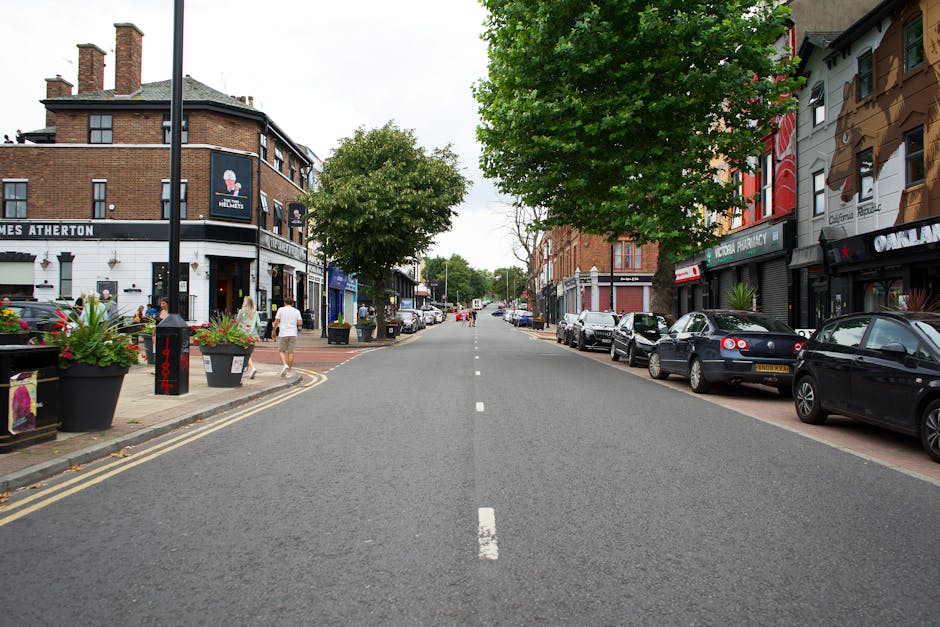
Moving a small shop or office around Clapham Junction can feel oddly personal. One minute you are trying to keep customers happy, answer the phone, and find the tape dispenser; the next you are wondering how to move stock, desks, files, and a stubborn printer without turning the week upside down. This Clapham Junction removals guide for small shops and offices is here to make the process feel manageable, calm, and properly planned.
Whether you are relocating from a tight high-street unit, a shared workspace, or a small back-office near the station, the basics are the same: prepare early, move in stages, protect your equipment, and choose a moving method that fits the size of the job. A good move is not just about lifting boxes. It is about keeping your business running while the van is loading.
In this guide, you will find practical steps, local considerations, common mistakes, and the kind of real-world detail that saves time on moving day. Nothing fancy. Just solid advice you can actually use.
Why Clapham Junction removals guide for small shops and offices Matters
Clapham Junction is busy, which is part of the appeal and part of the headache. Roads can be tight, parking is rarely generous, and there is often a constant shuffle of deliveries, commuters, taxis, and people heading in and out of local businesses. For a small shop or office, that means a move has to be more than efficient. It has to be well timed.
A small mistake can ripple quickly. A delivery window missed in the morning can affect stock for the whole day. A server packed too late can delay the next morning's work. Even something simple, like leaving all your packing until the day before, can make a manageable move feel like a panic session with boxes. To be fair, most businesses do not have the luxury of stopping work for a full week just because they are relocating.
This is why a proper removals plan matters. It helps you avoid downtime, reduce damage, protect confidential documents, and keep staff clear on what happens next. It also helps you choose a service that matches your needs instead of booking something too large, too small, or simply wrong for the job.
If your move involves commercial furniture, office IT, or stock handling, it is worth looking at commercial moves and office relocation services as useful reference points for what a business move should cover.
Expert summary: The smoother a small business move is, the more it looks like preparation rather than luck. Good planning, sensible packing, and the right vehicle choice do most of the heavy lifting.
How Clapham Junction removals guide for small shops and offices Works
A small commercial move usually follows a clear pattern: survey, plan, pack, move, and settle in. The details change depending on what you are moving, but the core sequence stays familiar. In practice, the move works best when you break it into smaller decisions instead of treating it like one giant job.
First, assess what is moving. For a shop, that could include stock, shelving, till equipment, display units, mannequins, and storage items. For an office, it might be desks, chairs, monitors, filing cabinets, laptops, network gear, and archived paperwork. Then identify what should be moved, what should be disposed of, and what should be shredded or archived separately.
After that comes logistics. Do you need a man and van for a lighter move, or a larger vehicle for bulkier furniture and stock? Will you need help dismantling desks or wrapping fragile items? Will the move happen outside trading hours? Those questions sound basic, but they decide how smoothly the day goes.
If you need flexible transport for smaller business loads, the pages on man and van and man with van may be useful when you are comparing what kind of service fits a compact business move.
The last stage is transition. Once everything is delivered, the job is not quite done. Boxes need to be placed correctly, furniture reassembled, and essential systems checked. A printer left in the wrong room sounds minor until the first staff member needs it at 9:05 on a Monday. Small things, big frustration.
Key Benefits and Practical Advantages
A well-planned small shop or office removal gives you more than transport. It gives you control. And control is what keeps a business move from becoming messy.
- Less downtime: You can move in stages, outside peak trading hours, or over a weekend if needed.
- Lower risk of damage: Labelled boxes, protected furniture, and careful loading reduce breakages and scuffs.
- Better stock control: Retail stock can be grouped, counted, and repacked so missing items are easier to spot.
- Safer handling of documents and devices: Files, laptops, and sensitive equipment can be separated and tracked properly.
- Less stress for staff: Clear roles mean people know what they are doing instead of hovering around asking, "Where does this go?"
- Cleaner new-premises setup: If you plan the layout in advance, reopening is faster and far less chaotic.
There is also a financial benefit that people sometimes overlook. A move with fewer mistakes can save money by avoiding emergency transport, last-minute packing supplies, replacement items, and wasted labour. Not glamorous, but very real.
If your move includes old items that should not go to the new premises, you may also want to review furniture pick-up and recycling and sustainability to think through disposal responsibly.
Who This Is For and When It Makes Sense
This guide is aimed at small businesses that need a practical, low-drama move. That includes retail units, independent shops, small studios, start-ups, consultancies, salons, treatment rooms, and offices with a modest amount of equipment. If your move is more about working around customers than relocating an entire warehouse, you are in the right place.
It also makes sense if you are not doing a full relocation but still need to move part of the business. Maybe you are moving one department, taking over an additional unit, or shifting archived files to a different location. In those cases, a smaller vehicle and a tighter plan often make more sense than a huge removal operation.
It is especially useful when:
- you need to keep trading during the move
- you are moving in or out of a busy street near Clapham Junction
- you have awkward access, stairs, or limited loading space
- you need careful handling for IT, stock, or records
- you want a clearer idea of pricing before you book
There is no prize for overcomplicating it. If the move is small, keep the solution small and smart. If the move is bigger than expected, scale up. Simple.
Step-by-Step Guidance
1. Start with a room-by-room or zone-by-zone inventory
List everything that needs to move. For a shop, group items by stock, fixtures, consumables, and office items. For an office, split equipment by desk area, shared storage, archive material, and kitchen or break-room contents. The aim is not perfection. It is clarity.
When you can see the job in front of you, you can budget it properly and spot what should be removed before moving day. That alone saves a lot of last-minute drama.
2. Decide what stays, what moves, and what goes
A move is a good excuse to declutter. Old chairs, damaged shelves, unused displays, and duplicate filing cabinets often sneak into a new unit unless someone makes a decision. Be honest about what is still useful. If a piece of furniture has been wobbling for months, it may not deserve a new home.
For unwanted items, compare the options. Some can be reused, some can be collected, and some may need specialist disposal. If you are moving bulky items out, you may also find mattress and sofa disposal or fridge and appliance removal helpful if your premises include staff room appliances or old furniture.
3. Set the move date around trading hours and access
In Clapham Junction, timing matters. Try to choose a window that avoids the busiest trading periods, delivery slots, and commuter-heavy times where possible. If your business relies on early footfall, you may need to move after closing and reopen the next day with a lean setup.
Also check access at both ends. A ground-floor shop with a wide frontage is one thing. A top-floor office with a narrow staircase is another. Big difference. That affects labour, vehicle choice, and how long the move will take.
4. Protect your records and equipment
Pack documents into sealed, labelled boxes. Use lockable storage where needed. For digital kit, back up data before you unplug anything. Take photos of cable setups if you know you will forget how it all goes back together. We all do it, even when we tell ourselves otherwise.
If you have confidential paperwork, consider arranging confidential shredding for anything no longer needed. That is one of those jobs people delay until the box is already sitting by the door. Better to sort it earlier.
5. Choose the right moving support
For small businesses, the sweet spot is often a service that is flexible rather than oversized. A lightweight local move may only need a van and a couple of helpers. A more complex office relocation may benefit from a larger vehicle and packing support. If you want to compare your options, moving truck and removal truck hire can help frame what scale of transport your move may need.
6. Prepare the new site before anything arrives
Clean the space. Mark where desks, rails, shelves, or storage units should go. Check power sockets, internet access, and any incoming deliveries. If your team arrives to a spotless, mapped-out room, they can get working much faster. It is a small thing, but it changes the whole mood of the day.
7. Reopen with a simple first-day plan
Do not expect everything to be perfect immediately. Decide what absolutely must be running on day one. Maybe it is the till, the phone line, the internet, one printer, and a basic seating area. Get the essentials live first, then tackle the rest. That approach is much kinder to staff, and frankly, to your nerves too.
Expert Tips for Better Results
Here is the stuff that often makes the biggest difference, even though it does not sound dramatic.
- Use colour coding: One colour for stock, one for office equipment, one for fragile items. It looks simple, but it speeds up unloading.
- Pack by priority, not by room alone: Keep day-one essentials together so you do not unpack half the move to find a charger.
- Label the "open first" box clearly: Tape, scissors, kettle, keys, wipes, chargers, and a notepad belong in there. Not glamorous, but essential.
- Take photos before disconnecting anything: Cable nests are a nuisance. A quick photo saves time later.
- Use proper protection for corners and screens: A scratched desk might be annoying; a cracked monitor is worse.
- Measure doorways and lift access: Especially in older buildings, where the staircase can be narrower than you remember.
One practical tip that gets missed a lot: if your stock is easy to count, count it before and after the move. Even a simple tally sheet can prevent a lot of confusion. You will thank yourself later. Probably with a coffee in hand, looking a bit tired.
If you need help with packing itself, packing and unpacking services can be a sensible option when staff time is better spent keeping the business going.
Common Mistakes to Avoid
Most move problems are not dramatic. They are small, ordinary mistakes that stack up.
- Leaving packing until the last day: This is the classic one. It always feels manageable until it very much is not.
- Underestimating the amount of stock or paperwork: Small businesses often have more stored than they realise.
- Forgetting access issues: Parking, loading restrictions, and stair access can change the entire timing of a move.
- Not checking what needs specialist disposal: Some items should not simply be taken along for the ride.
- Failing to brief staff: Even a good move can become confusing if nobody knows who is responsible for what.
- Not planning internet and phone setup: A beautiful office without working connectivity is still a problem.
Another common slip: assuming every mover handles business moves in the same way. They do not. It is worth asking how they approach access, fragile items, timing, and liability. A few direct questions early on can save a lot of crossed wires later.
Tools, Resources and Recommendations
You do not need a mountain of kit, but the right basics make a huge difference. Think practical, not fancy.
- Strong boxes and archive cartons: Good for records, stock, and small items that need stacking.
- Packing tape and dispensers: More useful than people expect. Somehow it disappears the minute you need it.
- Labels and marker pens: The humble hero of every move.
- Bubble wrap, paper, and blankets: Useful for fragile or awkward items.
- Furniture tools: Screwdrivers, Allen keys, and a small toolkit for dismantling and reassembly.
- Floor protection: Helpful in both the old and new premises, especially if it has been raining. London rain, naturally.
From a service perspective, look at the wider support available on the site as you plan. pricing and quotes is useful when you want a clearer cost picture, and book online is handy when you are ready to lock in a moving date. For company background and reassurance, about us can help you understand who you are booking with.
Law, Compliance, Standards, or Best Practice
For small commercial moves, compliance is mostly about common-sense professionalism, but that still matters. If you are moving customer records, payroll details, or any personal information, you should treat those documents carefully and dispose of unneeded material securely. If you are moving items that could be classed as waste, it is sensible to separate reusable furniture from items for disposal so they are handled correctly.
Health and safety matters too. Lifting heavy boxes, moving awkward desks, and carrying items down stairs all involve risk. Good practice is to plan the load, use appropriate lifting methods, and keep walkways clear. No heroics required. In fact, heroics are usually the problem.
Businesses with sensitive data, storage hardware, or fragile equipment should make sure the move is supervised and documented well enough for their own internal controls. If in doubt, slower and safer is better than fast and sorry.
It can also be sensible to review supplier terms, payment expectations, and safety arrangements before the day. Pages like insurance and safety, health and safety policy, payment and security, and terms and conditions are all worth a look if you want to reduce surprises.
Options, Methods, or Comparison Table
Different small business moves call for different levels of support. Here is a simple comparison to help you think it through.
| Move type | Best for | Strengths | Watch-outs |
|---|---|---|---|
| Self-managed move | Very small loads, tiny offices, minimal furniture | Low direct cost, full control | More stress, more time, higher risk of missed details |
| Man and van | Small shops, compact offices, flexible local moves | Quick, adaptable, suited to lighter loads | May need careful planning for larger furniture or repeated trips |
| Dedicated removal truck | Larger small-business moves with bulky items or stock | More capacity, fewer journeys, better for mixed loads | Can be more than you need if the move is modest |
| Packing and relocation support | Busy teams with limited time | Saves staff time, improves organisation, reduces packing errors | Costs more than transport alone, so it needs to add value |
Truth be told, many small businesses sit somewhere between categories. That is normal. A few desks, a rack of stock, some files, and a couple of awkward items can be handled well with the right balance of vehicle size and support. If you are weighing transport options, man and van and removal truck hire are useful comparison points, not because one is always better, but because they suit different load sizes.
Case Study or Real-World Example
Picture a small independent shop near Clapham Junction station. Nothing huge. A modest retail space, a back office, stock shelving, a till area, and a few pieces of display furniture. The owner wants to move to a slightly larger unit a short distance away, and the main concern is keeping downtime to a minimum.
Instead of packing everything at the last minute, the team starts a week ahead. They separate slow-moving stock, remove damaged display fixtures, and box non-essential paperwork first. The office computer is backed up and shut down only once the essentials are saved. One staff member labels the first-day boxes, another handles stock counts, and the owner checks access at the new unit before moving day.
On the day itself, the load is staged in sections: office kit first, then stock, then shelving and display items. The van does not sit waiting while people guess where things go. The new shop is set up with the till space and key storage area before anything else. By the time the shutters are up the next morning, there is still a bit of unpacking to do, but trading can start. Not perfect, no. But controlled. And that is what matters.
That kind of move works because nobody tries to do everything at once. A small business move is usually easier when it is treated like a sequence of small, sensible jobs.
Practical Checklist
Use this checklist before your Clapham Junction shop or office move:
- Make a full inventory of what is moving
- Separate items to keep, recycle, donate, or dispose of
- Back up all computers and important files
- Sort confidential documents for secure destruction if needed
- Measure furniture, doorways, stairs, and loading access
- Choose a move time that suits trading hours and local access
- Gather boxes, tape, labels, and protective packing materials
- Label the first-day essentials clearly
- Brief staff on roles and timing
- Confirm insurance, payment, and any service terms
- Prepare the new premises before the first items arrive
- Check utilities, internet, and phone access in advance
- Do a final walk-through of the old site
- Keep a quick count of stock, key files, or valuable items
If you want an easier finish, give yourself a small buffer. Moves nearly always take a bit longer than the most optimistic version in your head. That is just how these things go.
Conclusion
A small shop or office move in Clapham Junction does not need to be chaotic. With the right plan, the right support, and a clear idea of what is moving, you can keep disruption low and get back to business sooner. The biggest win is usually not speed on its own. It is coordination.
Focus on access, timing, packing, and what your team genuinely needs on day one. Keep the move simple where you can, and do not be shy about getting help where it saves time or prevents damage. That balance is what makes a business relocation feel manageable rather than overwhelming.
Get a free quote today and see how much you can save.
And if you are still in the middle of planning, that is fine too. A calm, well-ordered move is built one sensible decision at a time.
Frequently Asked Questions
How far in advance should a small shop or office book removals in Clapham Junction?
As early as you reasonably can, especially if you need a specific day or want to move outside normal trading hours. The more notice you give, the easier it is to match the right vehicle, labour, and timing to your move.
What is the best type of removals service for a small office?
For many small offices, a flexible local service such as a man and van works well. If you have bulkier furniture, more stock, or a more complex layout, a larger vehicle or fuller office relocation support may be better.
Can we keep trading while the move is happening?
Often, yes. It depends on how much equipment you have and whether you can move in stages. Many small businesses reduce disruption by moving non-essential items first and leaving day-one essentials until the final stage.
How do I move confidential files safely?
Pack them separately, label them clearly, and keep them under direct control. If some files no longer need to be kept, confidential shredding is the safer option. Do not leave sensitive records sitting in unmarked boxes.
What should I do with old office furniture I do not want in the new place?
Decide early whether it will be reused, collected, recycled, or disposed of. Sorting this out before moving day prevents clutter from following you to the new premises. That is the whole point, really.
How can I reduce downtime during a commercial move?
Move in phases, prepare the new site in advance, keep a clear day-one essentials box, and make sure staff know what their roles are. Downtime usually increases when the move has no structure.
Is it worth paying for packing help?
It can be, especially if staff time is limited or you have fragile, awkward, or high-value items. Packing support often saves time and reduces mistakes, which can be more valuable than it looks at first glance.
What kind of items need special attention in an office move?
IT equipment, confidential paperwork, fragile screens, file cabinets, and anything heavy or awkward to lift. Kitchens and staff-room appliances can also be trickier than expected, so they should not be left as an afterthought.
How do I know whether I need a moving truck or just a van?
Think about the amount of furniture, stock, and boxes you have, plus access at both sites. A van may suit a small, light load. A truck makes more sense when the move is larger or when you want fewer trips.
What should I check before the movers arrive?
Check the route, parking, access points, loading space, and whether the new premises are ready. It also helps to confirm your essentials list, staff roles, and any items that must not be mixed with the rest of the load.
Are there disposal services for bulky items from shops or offices?
Yes, depending on the item. Furniture, appliances, and other bulky waste often need separate handling. Related services such as furniture pick-up and hazardous waste disposal can be useful when you are clearing out old premises.
What if my business move is very small?
Then keep it simple. A smaller, flexible move is often easier to manage with a compact vehicle and a short packing plan. The aim is not to over-engineer the job. It is to move the right things safely and reopen without unnecessary hassle.
Where can I learn more about the company behind the service?
If you want reassurance before booking, the about us and insurance and safety pages are good places to start. They help you understand the service approach, safety expectations, and general standards before moving day arrives.